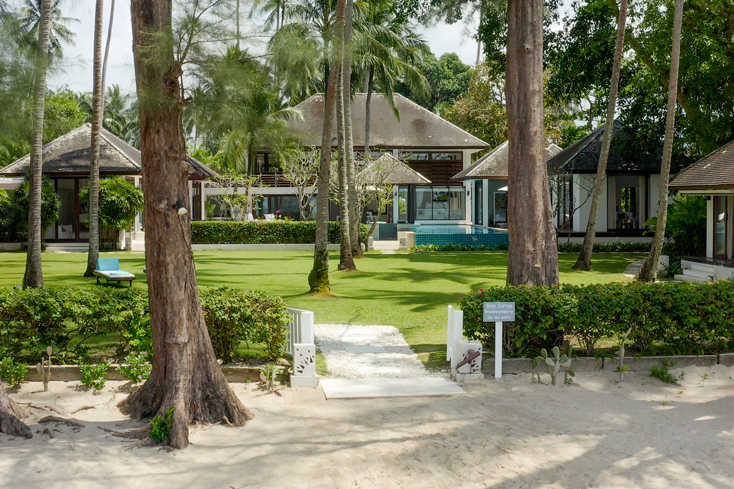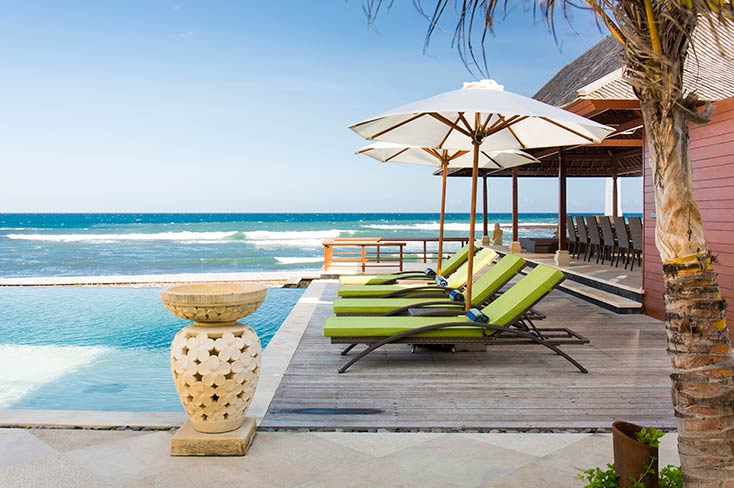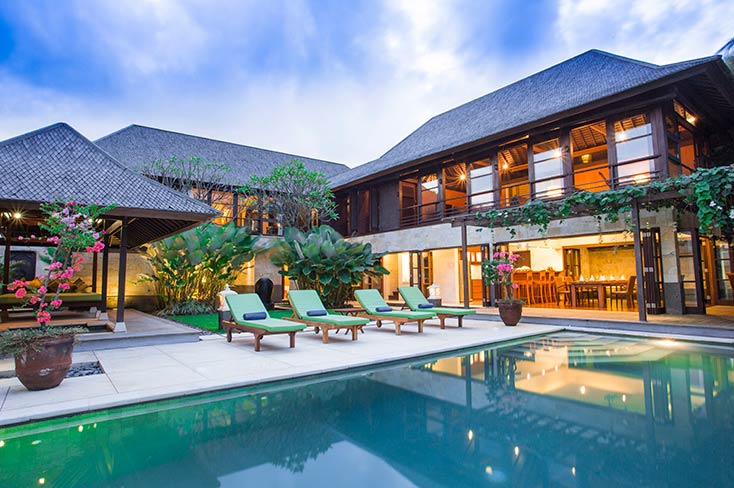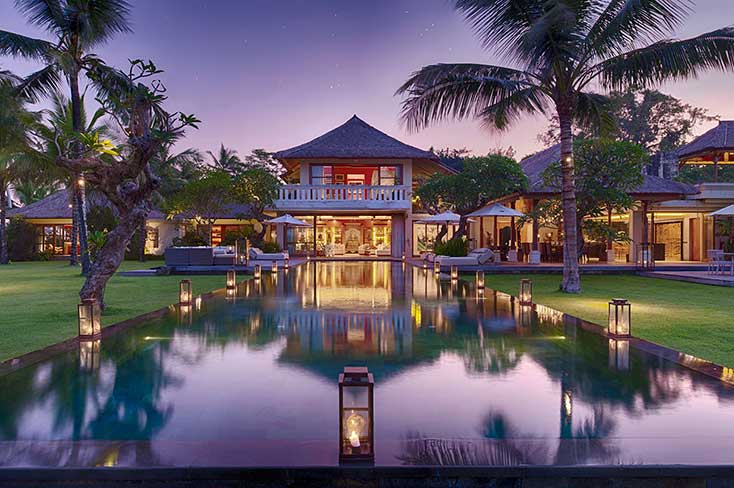




LIFE.
MADE OF MOMENTS LIKE THIS.
Havens aren’t places to shelter from the world.
They’re places to embrace it.
Across a meticulously-curated global portfolio of close to 300 private sanctuaries, we transcend beauty to offer tailored personal service and unparalleled experiences that set the standard.
Your journey to total freedom starts here
Bali
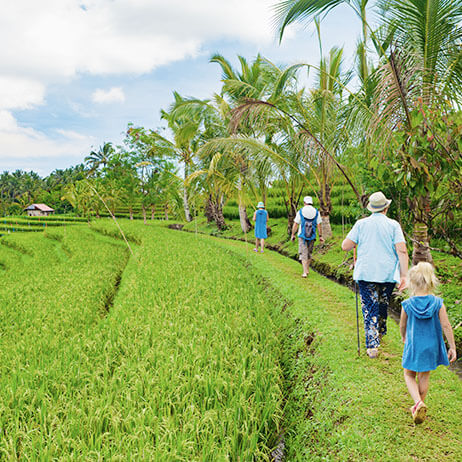
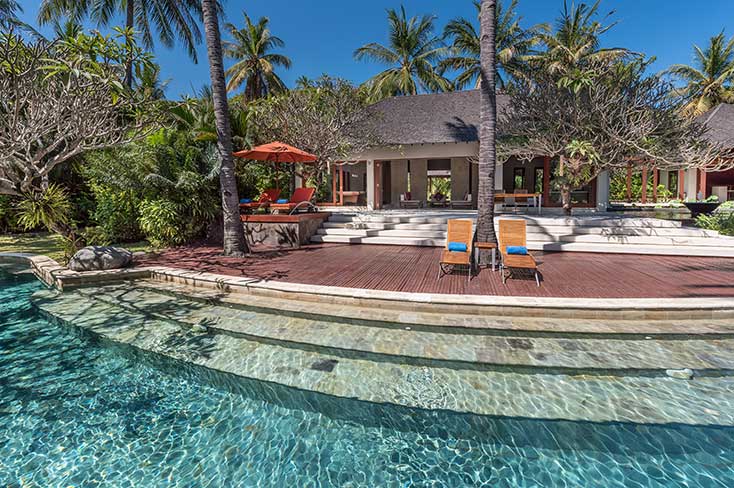
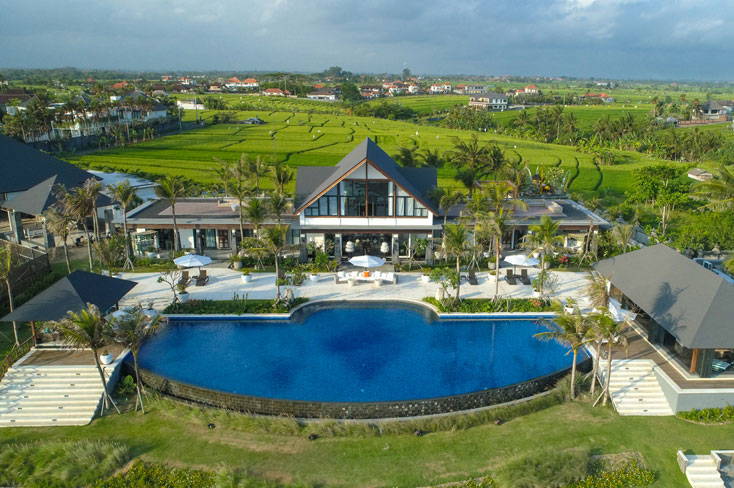
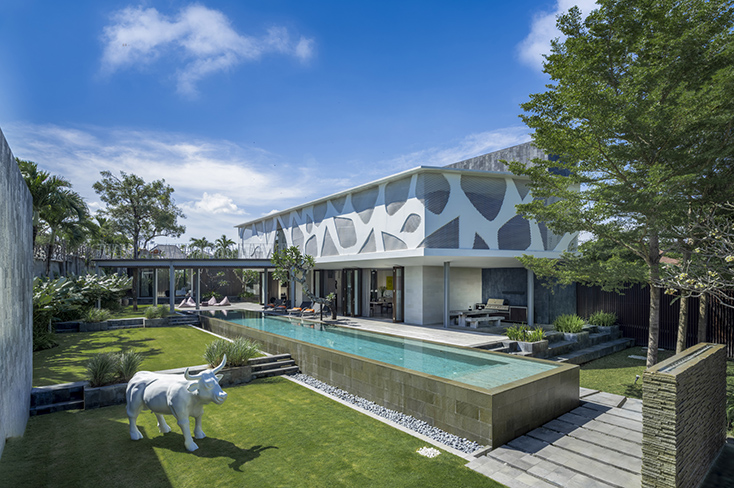
On the island of the gods, where heaven meets earth, the phrase 'holiday in paradise' truly comes to life. Whether you are looking for a beachside escape in Canggu, a clifftop retreat in Jimbaran, or a scenic hideaway in the hills of Ubud, you are in for a memorable time away in our carefully crafted villas in Bali.
Start your journeyLombok
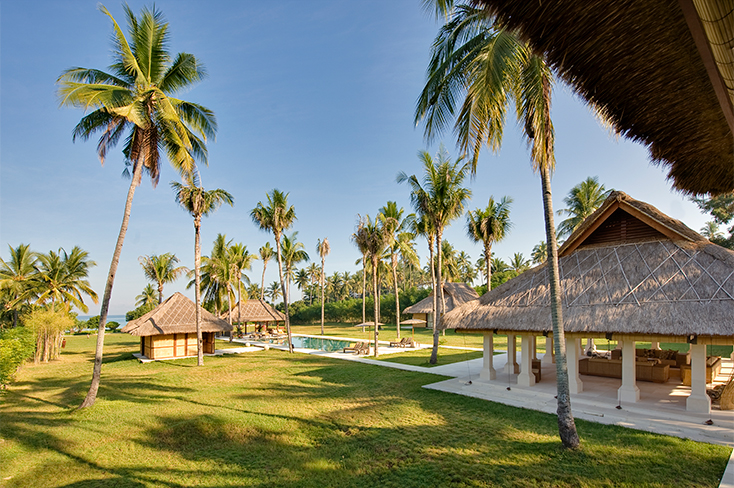
While not as famous as neighbouring Bali, Lombok is a paradise of unsurpassed natural beauty; from the coral-fringed Gili islands, home to sea turtles and exotic fish, to vast white sand beaches, spectacular surf and soaring volcanic peaks. Come find space to reconnect with yourself and loved ones in one of our beautifully designed Lombok villas.
Start your journeyNusa Lembongan
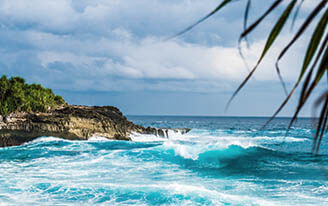
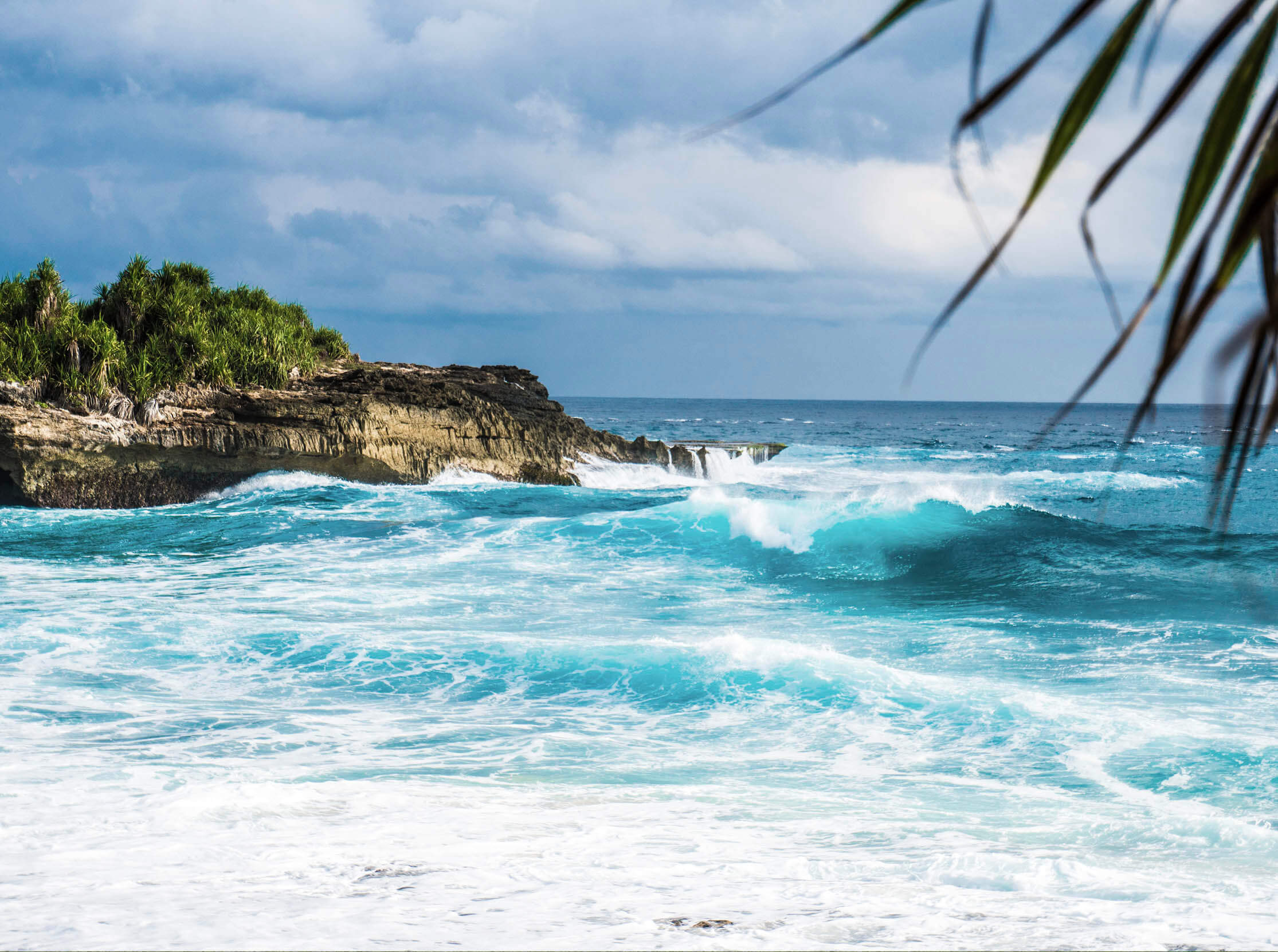
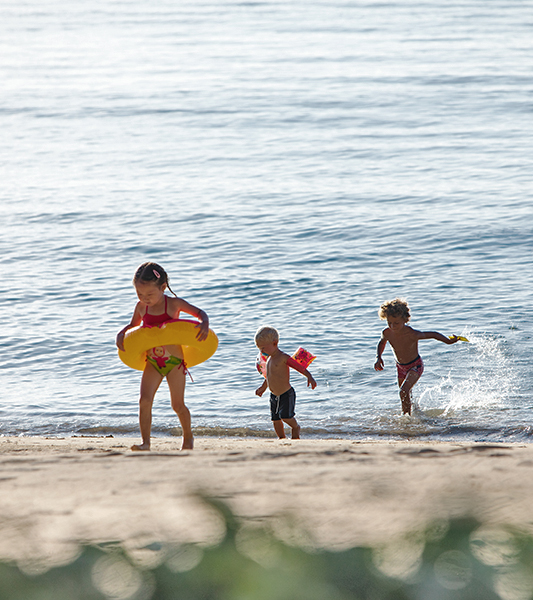
An idyllic hamlet close to Bali, Nusa Lembongan will make your island vacation dreams come true. Quiet and serene as it may be, there’s plenty to do on Nusa Lembongan with picturesque beaches offering family fun and the Beach Club at Sandy Bay for an enjoyable night out. Relax, play, and make lasting memories in our luxury villas, carefully crafted just for you.
Start your journeyPhuket
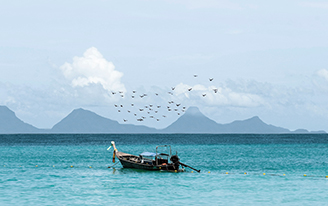
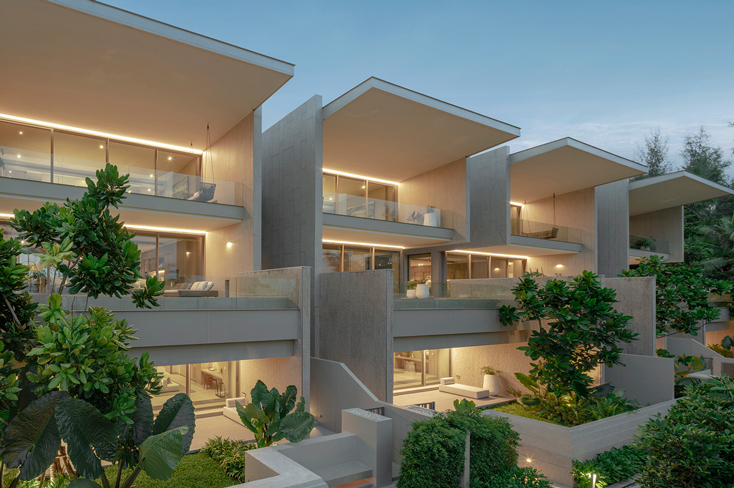
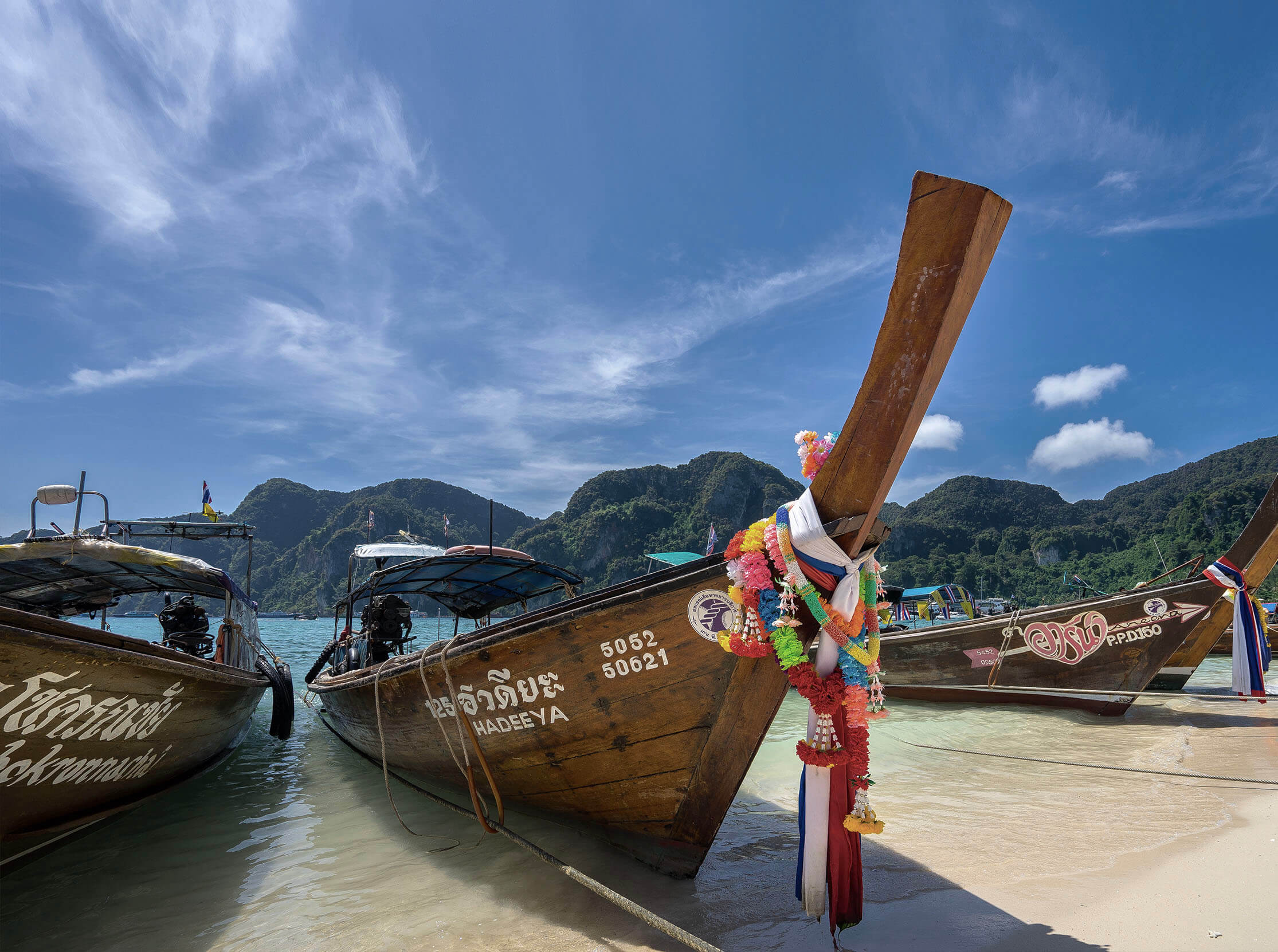
Since the discovery of Phuket and its magnificent white-sand beaches by travellers, the Thai island has emerged as a preferred holiday haven for the delights of yacht cruising, diving, surfing and eco adventures, and pleasures of world-class spas, beach clubs, fine dining and romantic sunsets. Make space for extraordinary moments in your stay at our luxury Phuket villas, under the care of our warm and friendly staff.
Start your journeyKoh Samui
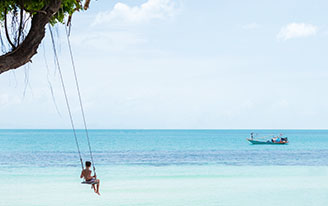
Koh Samui has the laid-back atmosphere of a simple society with a relaxing aura that makes for the perfect holiday. Laze away the days on perfect beaches or explore Koh Samui's unspoiled islands, unique night markets, majestic temples, and exhilarating nightlife. Experience all this and much more from your Elite Haven home with stunning beachfronts and cliff top views.
Start your journeySri Lanka
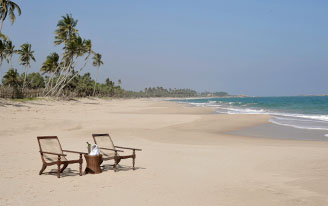
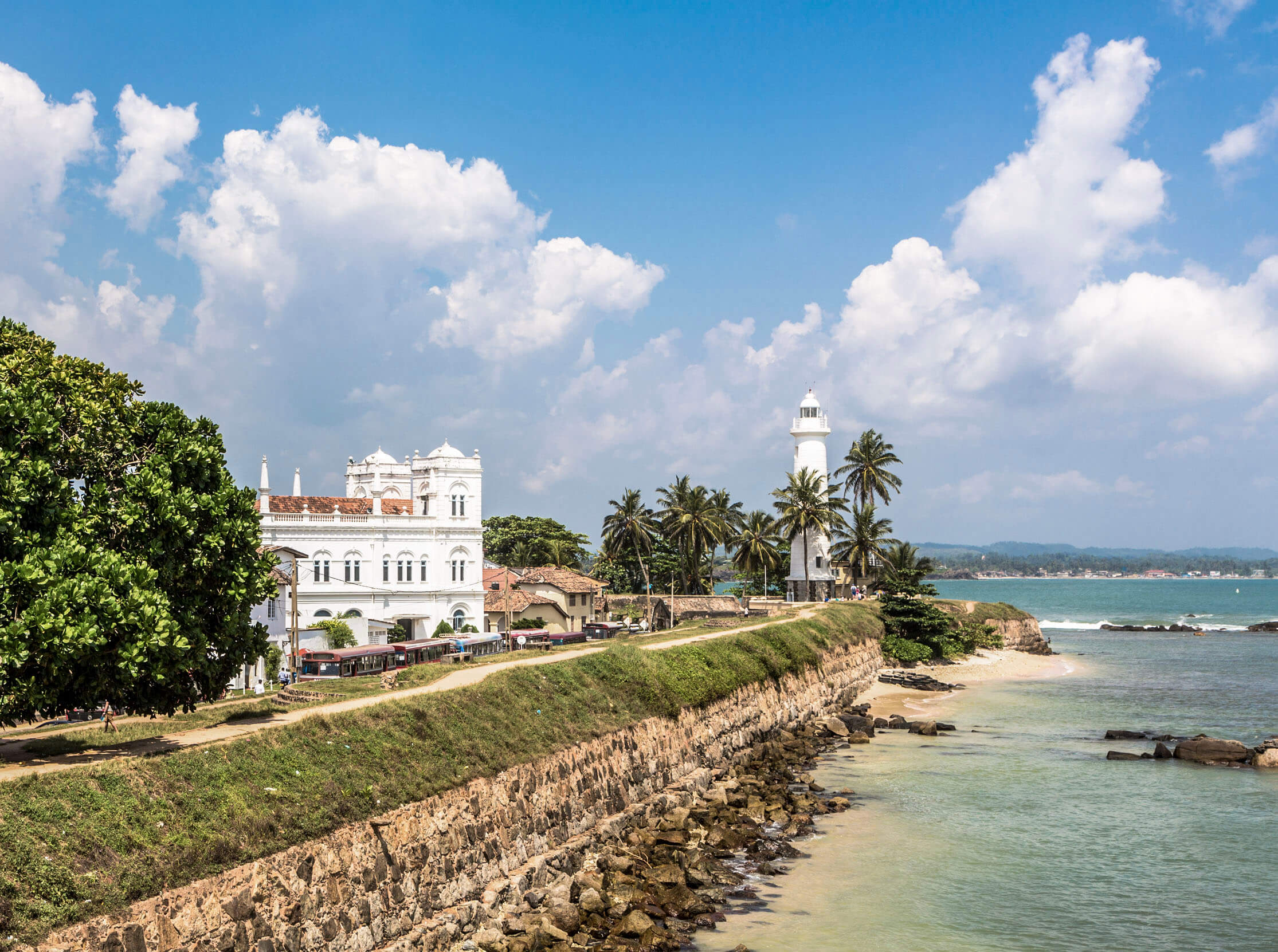
Sri Lanka is one of the Indian Ocean's rising stars – a magically diverse island whose vast variety of beaches, mountains, national parks, ancient ruins and colonial forts defy its relatively small land area. Where else might you sight elephants on safari and blue whales out at sea in the same day? Spend some time away at our restful havens in Sri Lanka for an authentic tropical escape with loved ones.
Start your journeyMaldives
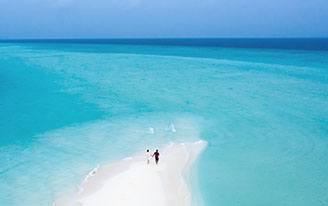
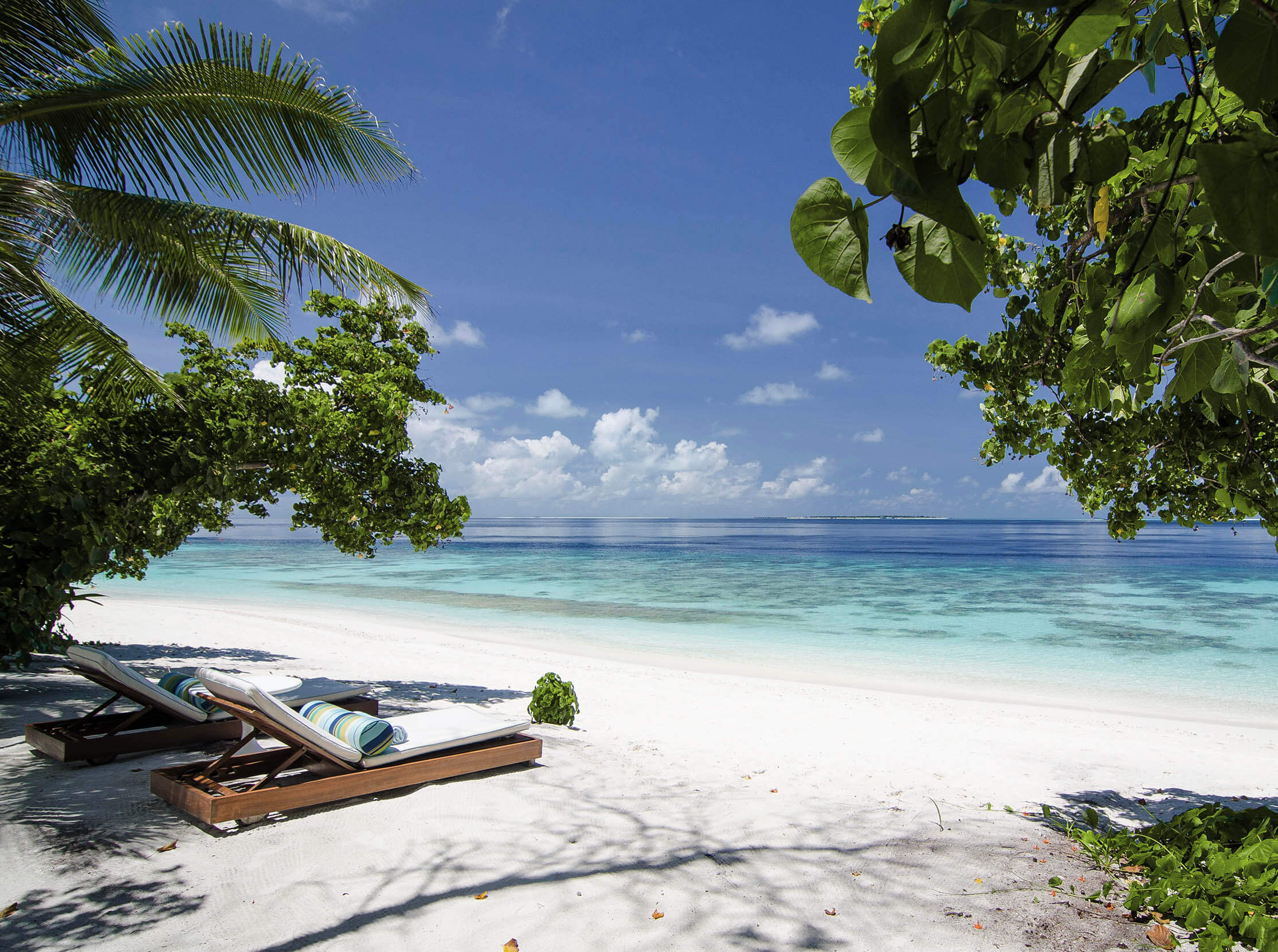
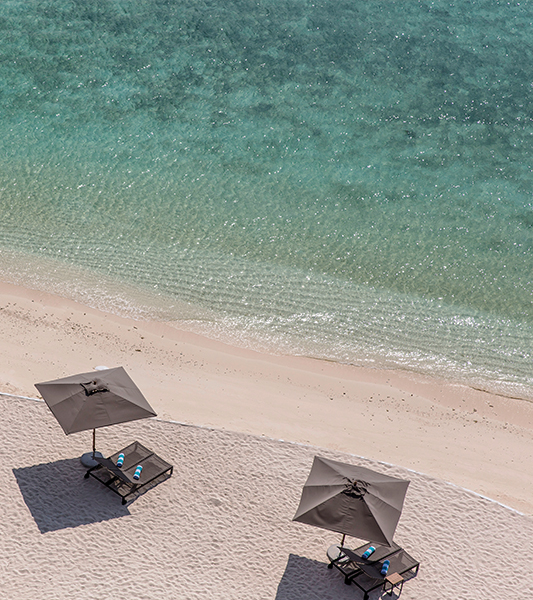
The island atolls of the Maldives set the scene for a too-good-to-be-true tropical holiday, with breathtaking aquamarine lagoons encircled by soft white sand beaches and coral reefs brimming with iridescent ocean life. Our havens in the Maldives are luxury beachfront residences, fully staffed for your comfort and enjoyment. Come find space for memorable experiences and adventures in island paradise.
Start your journeyJapan
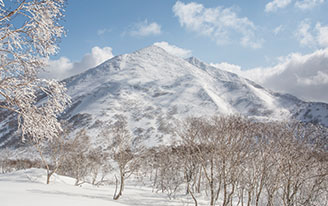
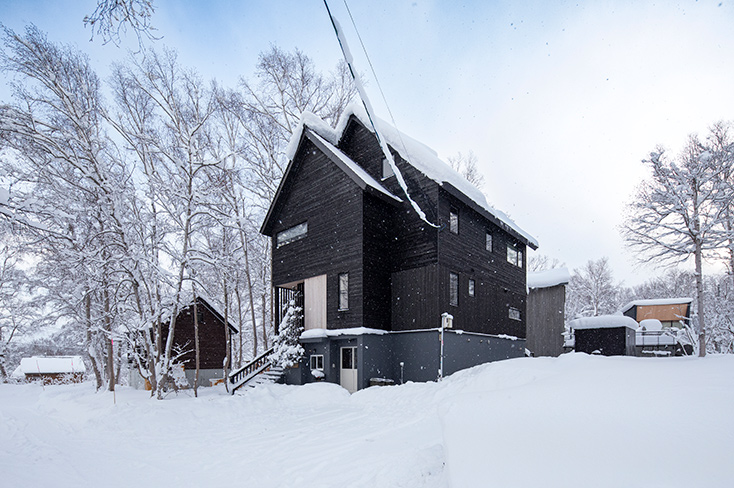
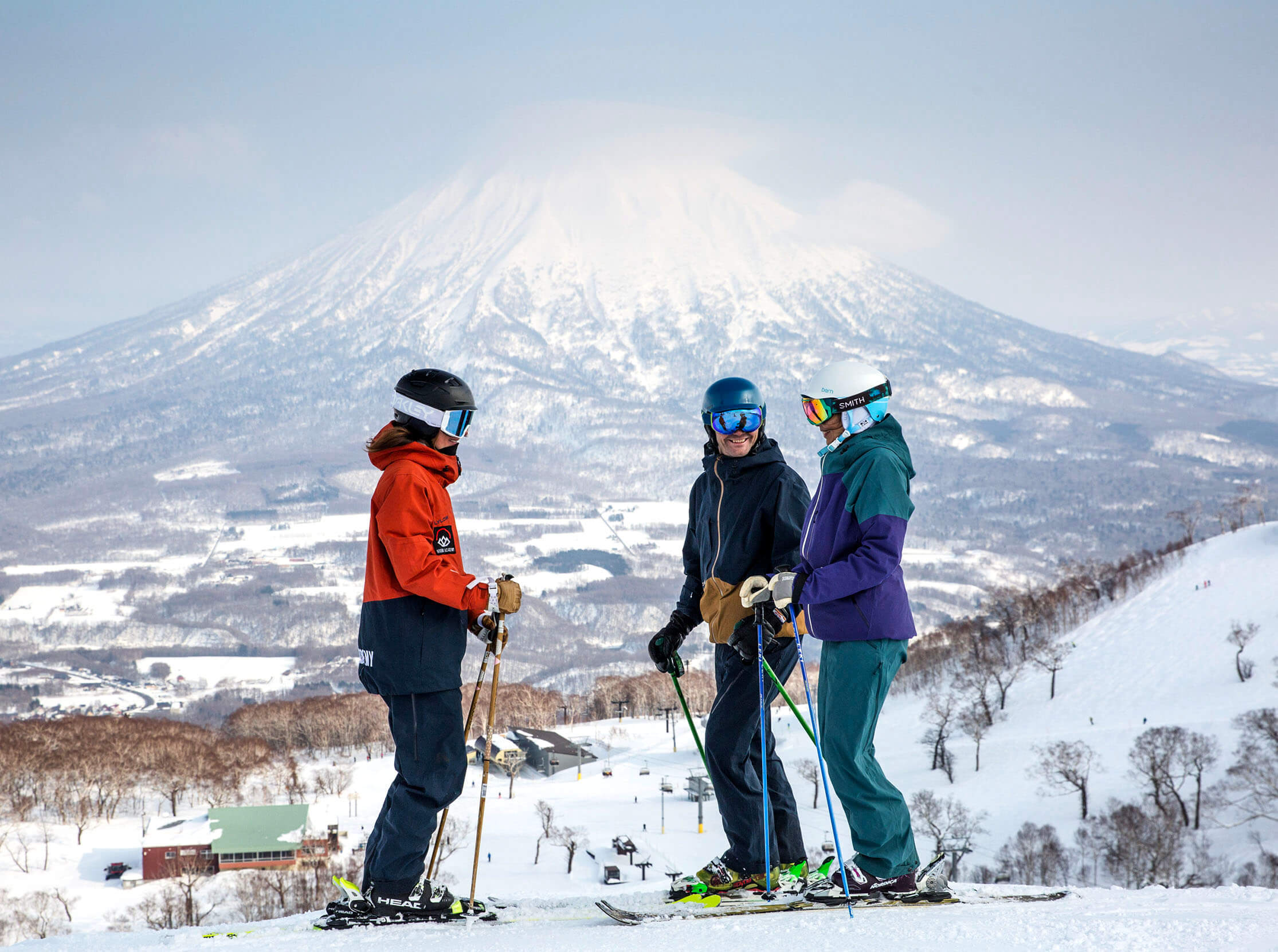
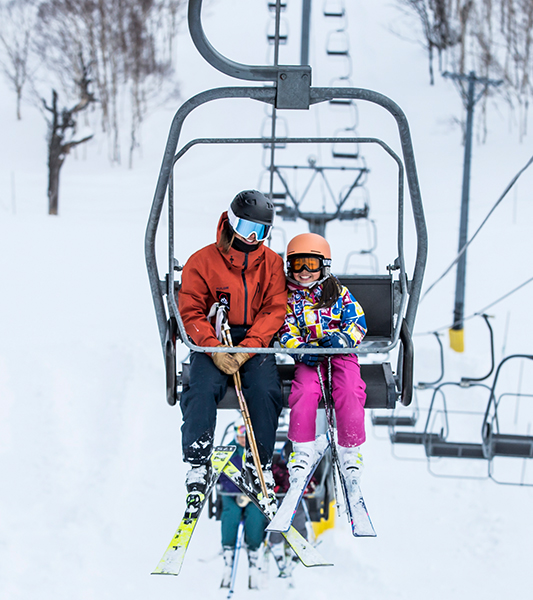
High-tech megacities, stunning countryside and incredible mountain ranges – Japan is a magical place to behold at any time of the year. It is an iconic destination for combining snow and rugged nature with sophisticated urban exploration. Experience the exquisite hospitality, culture and cuisine of Japan in the comfort of your luxury chalet in Japan. Find your haven of wonder and play at Niseko, Japan.
Start your journeyIndia
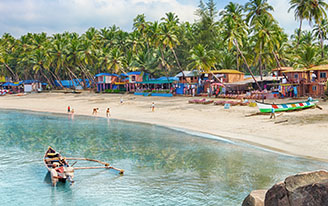
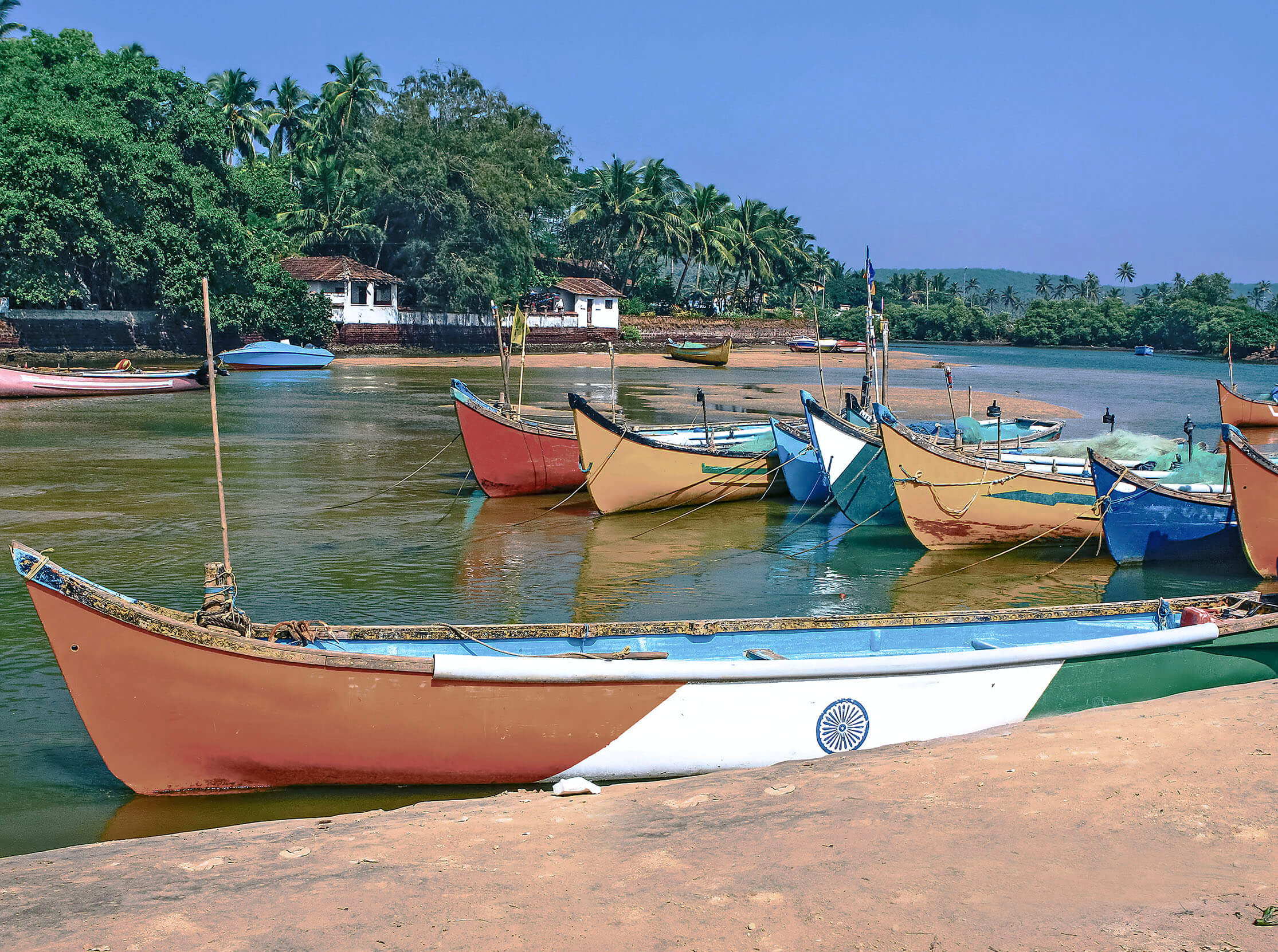
There’s something in India for every kind of traveller, from prehistoric temples and vibrant bazaars to pristine islands and tranquil beachfront retreats. Our restful havens in India offer a safe and private space to relax, unwind, and recharge for the unique experiences that you'll be having in some of the best corners of the country— from deserted beaches, lush hillsides and cool neighbourhoods with indie coffee shops, speciality restaurants and eclectic stores.
Start your journey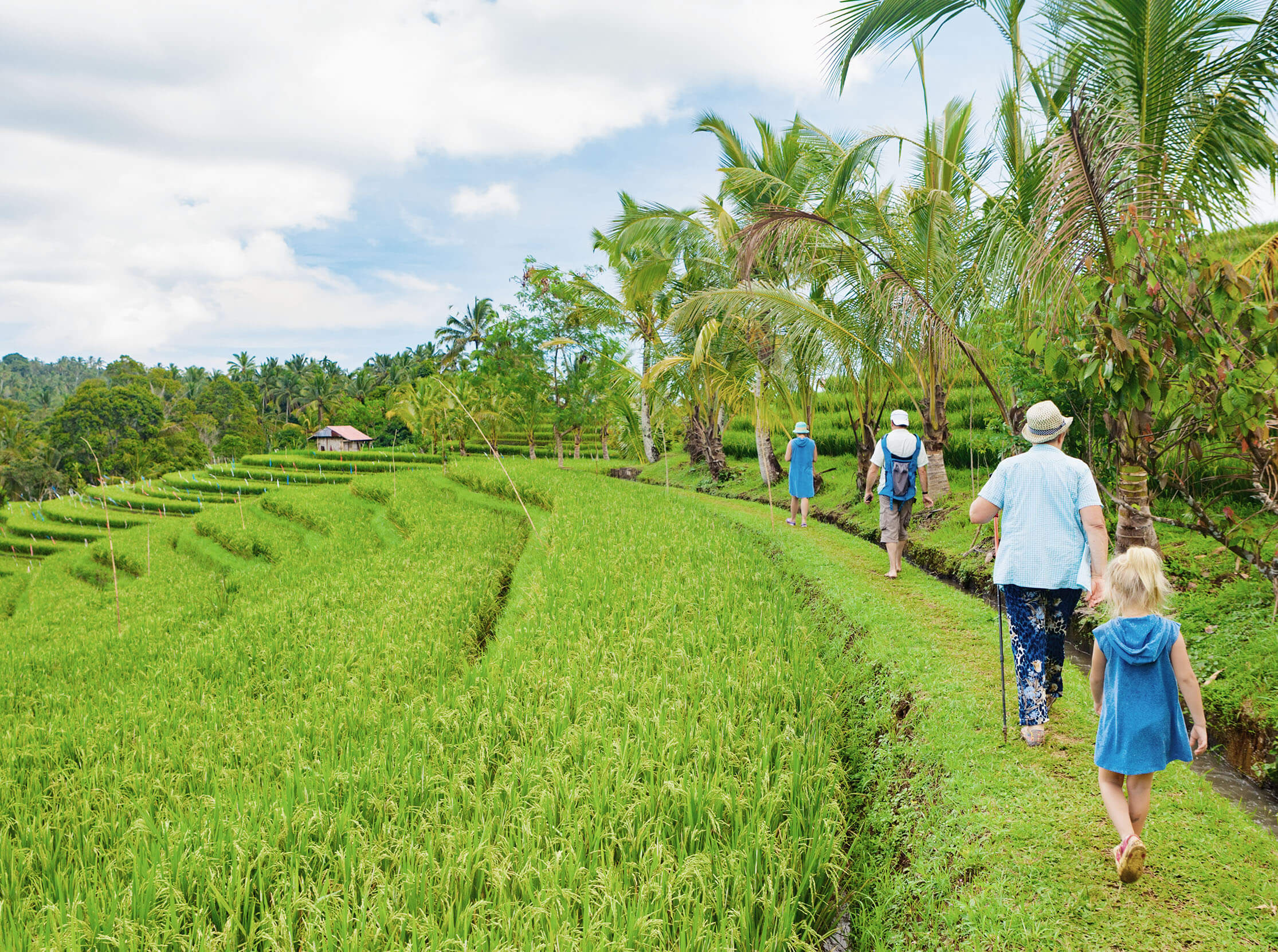
Be Inspired
Feel cocooned in some of the most beautiful places in the world and let us wrap our service around you.

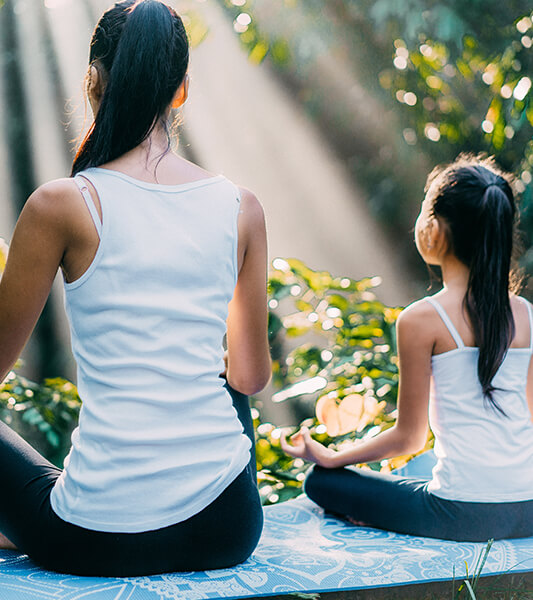
THE ELITE HAVENS DIFFERENCE
Dining
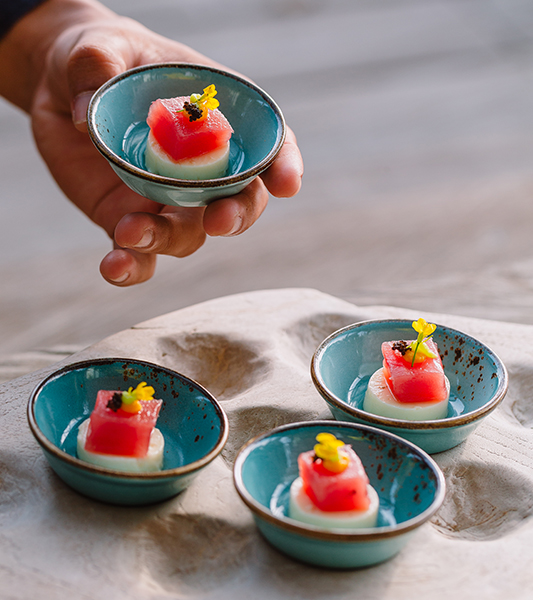
Delicious food is central to a memorable holiday. Each meal at an elite haven is prepared from scratch and cooked to your taste by a private chef, using only the freshest of ingredients.
Personal Concierge
No two holidays are the same at an elite haven. Get VIP treatment as the Elite Concierge takes the stress out of your holiday and adds in a splash of unique experiences that you will always remember.
Local
See the beauty of a destination from the eyes of a local. Our on-ground staff and the Elite Concierge know each destination inside-out and help you discover its hidden charm, culture, and aura beyond the ordinary.
Book Direct
Villa owners put their complete trust in us and we are their sole representatives. All other agents go via us. Book directly with Elite Havens for full transparency, personalised service, and complete reliability.
The Elite Magazine
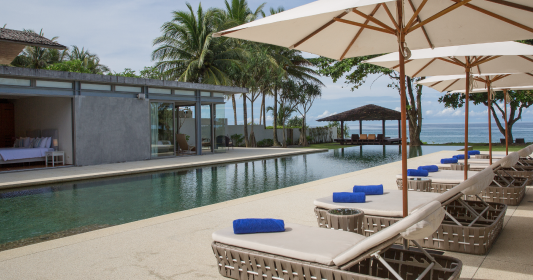
10 Best Family-Friendly Villas in Phuket
Spacious bedrooms, fully equipped kitchens, game rooms, charming private pools, and friendly staff to keep an eye on the tots.
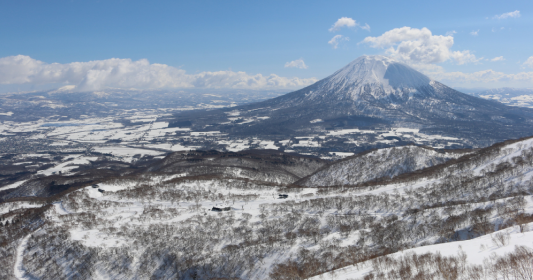
8 Reasons Why November is the Perfect Time to Visit Niseko
Niseko, Japan, is renowned worldwide for its reputation as a premier ski resort destination during the Christmas, New Year, and Chinese New Year periods.
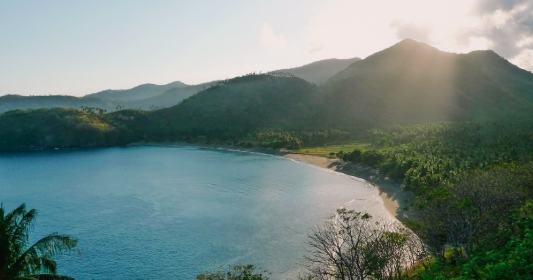
Lombok Adventure: Top 5 Things To Do
Booked a stay in Bali? Why not double the excitement with a trip to neighbouring Lombok?
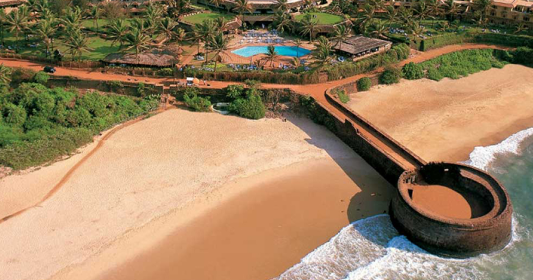
How to Reach Goa: Handy Guide
There’s something about the enchanting allure of Goa. India’s mesmerising beach capital attracts millions of local and foreign tourists every year to its sunny shores.
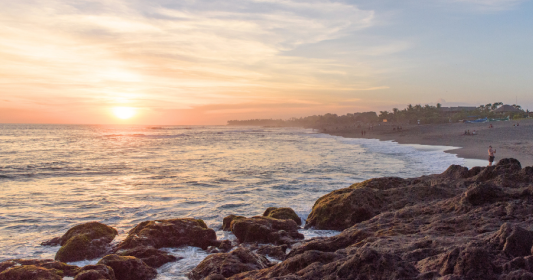
Head to Canggu: Bali’s Hottest New Destination
There is no denying it. Canggu in Bali is hot! And we are not just talking about the beautiful tropical weather.